How Does Having Depression Effect a Person?

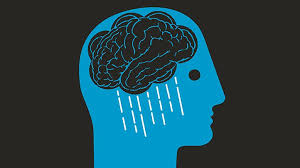
Depression is a very common and well known term nowadays, but considering how many people know about this mental illness, not too much is actually known about the mental illness. The main reason for this is that many researchers have discovered that there’s not really one cause of depression, and it is actually many different chemicals that work in multiple parts of our nerves. This causes the symptoms of depression to be similar, but not exact in two different people with depression. And, more importantly, this causes the way people’s body’s and brain’s respond to respond to certain medications and treatments differently. In most cases, depression is caused by the brain’s inability to regulate mood because of improper number or non-functioning neurotransmitters and how they affect neurons, which is the target of most antidepressant medications. But what effect does this have on the person?

Neurotransmitters are a major component of our nervous system, and are required for mostly any basic function of the body. In general, the brain produces enough neurotransmitters to help the body normally function, but as previously stated, this is the main issue point for those suffering depression. The main issue could either stem from receptors for these neurotransmitters being too sensitive or not sensitive enough, if the brain produces too little or too much neurotransmitters, or even if the neurotransmitters don’t bind to their receptors quickly enough. This becomes a problem when neurotransmitters like Acetylcholine and Serotonin are affected, which regulate important functions like memory learning and sleep/appetite respectively. In general, by researching more about the causes of the malfunction of neurotransmitters, the closer we will get to better medication and treatment and even eventually a cure.


Postpartum Depression: What is Being Done?

Isn’t it always a joy to talk about depression? This might be the second blog post in a row about the topic, but it’s a prolific topic of science and mental health that really interests me. And the kind of depression I’ll be bringing some light to today is one that hits closer to home; postpartum depression. It’s a phrase I’d certainly never heard of before until quite recently, and I can safely assume most other people have either never heard of it or just heard the same and nothing more. In summary, postpartum is a depressive mood disorder that occurs in some mothers after childbirth, and can mainly affect how the mother’s bond with their baby along with increased mood swings and anxiety levels. The disorder can often be rather debilitating, which any kind of depression tends to do, and vast amounts of research has been done on the subject.

However, there has recently been some fruits to this labor of research, mainly in the form of a new drug called brexalalone. The drug was recently approved by the FDA, and in clinical trials has shown major success in improving the mood of patients. But as seems to be the case for every new drug being made to counter this awful mental health condition, there are several drawbacks. For this specific drug, the main concerns are the price range; ranging from $20k-$35k, and the amount of time it was to be administered in the hospital; 60 hours via IV drip. Neither of these drawbacks sound specifically appealing, now do they?

However, while optimistically the patient’s insurance will cover the extreme price, considering the state of health insurance coverage and usage in the U.S, this by no means is guaranteed at the moment. As for the 60 hours, I believe that it really speaks to how awful depression is when we can safely assume many people would consider this an extremely viable time when compared to postpartum depression. In any case, hopefully advancements in the near future with this drug and others will further help provide accessible care to many experiencing not only postpartum depression, but also depression in general.

The Possible Future of Depression

Depression is an extremely nasty mental illness, affecting over 300 million people worldwide and is the main contributing factor of suicide, which is within the top 10 causes of death within the US alone. While there are many different types of treatments for this, ranging from medication and therapy, some of these options don’t work effectively enough for nearly 30% of people with the mental illness. And with a possible consequence of increased suicide rates, lack of proper treatment for these individuals can prove to be extremely deadly. However, new studies and discoveries with a drug called ketamine could possibly change this.

When first hearing about this drug, it is very easy to think, “Oh, this is definitely great news for everyone!”. However, like most things that sound too good to be true, there’s a catch with this one. While tests of the drug has proved to have extreme effectiveness in dealing with the effects of depression, the side effects of the drug pretty much involve causing the patient to disassociate and can even induce effects on the mind similar to a psychotic state. A pretty big catch, right? But, despite these side effects, people are still willing to take this drug in order to counter the effects of depression itself and doctors are beginning to consider it useful as a “last ditch effort”. Just the fact that many people are willing to go through those awful side effects just to be rid of those of depression really shows how big of an issue this illness really is.

Not all hope is lost, however. While I may have been making it sound like ketamine itself is an awful drug, the existence of the drug and the positive effects that it gives highly outweigh the negatives. And for the moment, it is a functional alternative to just suffering with depression untreated. For example, by studying the mechanisms at which the drug affects the brain, we can get further research into treating depression in a more safer and efficient way. And for an illness as awful and widespread as this, that is all we can hope for at the moment.

What “Exactly” is a Vaccine?

Especially nowadays, most people have at least an idea of what vaccines are and what they do. After all, what else are all of those fun colored papers they give you at the doctor’s office while the nurse injects weakened diseases into your bloodstream for? But all jokes aside, actually knowing what vaccines are is something that’s very important for your health. And lucky for those who do want to put more research into what vaccines are and how they specifically work, there’s pretty decent website for that.

The National Institute of Allergy and Infectious Diseases government website has lots of useful information on many different parts of the United States health system, but one of their main focuses is on, you guessed it, vaccines. Anyone who has taken a biology class at some point in their life will probably recognize terms such as “macrophage” and “antigen”, but if you’re anything like me you can often forget important details about terms that you “learned”. Or on the other hand, maybe you haven’t taken or remember any bio classes and have absolutely no idea what either of those terms I just mentioned even remotely are. Thankfully, that’s specifically what this site is for, because not only does it have detailed descriptions of these terms and how they’re applied when using vaccines, the site also gives information on what specifically a vaccine is and more information on how they work.

In my personal experience with the site itself, I found it to be extremely helpful for versing myself into most things vaccine related. Not only was I able to refresh myself on aspects of the human body’s immune system, I was also able to learn some new things about how vaccines truly use our natural defenses to their advantage in helping us eradicate diseases. However, in learning this information, not only can we begin to move forward to a society that is better informed about the science side of our health, but we can also use this information in order to improve this science side of our health.

What You Could Learn About the Vaccination Controversy

One of the more hot topics involving science nowadays that’s become extremely integrated into common society would be the vaccine debate. Especially in the past few months, the chances you’ve either heard or seen the controversy, had a conversation about it, or even seen some popular memes about it are extremely high. The conversation is any and everywhere, whether you’re looking for it or not. But after seeing so much of this controversy while only really knowing the basics about it, I decided to start looking into sources that I could use to find out more.

While most of the sources I found were helpful, the one that really stood out was an article from verywellhealth. Of the basic information I previously had either from word of mouth or random memes or jokes on the internet was about how many people against vaccines believe that they can cause Autism. But in this article, not only does it explain the stance against vaccines, but it also gives the history of how this controversy event started.

How this article definitely helped me in my research of this topic would be that it helped for me to gain some insight on why, no matter how nonsensical or debunked their beliefs are, some people believe vaccines are harmful. When trying to view any controversy, especially one as potently separated as this one, it is still important to look at the arguments of both sides and where those views come from. This is especially true in cases where you disagree with one side, or in this case, the other side is almost certainly in the wrong. Without this, it’ll be near impossible to debate or inform people about the science facts if you don’t specifically address their beliefs using these facts.

Plus, the more you learn about the topic, the more sophisticated memes and jokes you can make of it. All in all, it’s a win win for everybody involved.