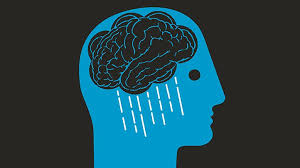
Depression is a very common and well known term nowadays, but considering how many people know about this mental illness, not too much is actually known about the mental illness. The main reason for this is that many researchers have discovered that there’s not really one cause of depression, and it is actually many different chemicals that work in multiple parts of our nerves. This causes the symptoms of depression to be similar, but not exact in two different people with depression. And, more importantly, this causes the way people’s body’s and brain’s respond to respond to certain medications and treatments differently. In most cases, depression is caused by the brain’s inability to regulate mood because of improper number or non-functioning neurotransmitters and how they affect neurons, which is the target of most antidepressant medications. But what effect does this have on the person?
Neurotransmitters are a major component of our nervous system, and are required for mostly any basic function of the body. In general, the brain produces enough neurotransmitters to help the body normally function, but as previously stated, this is the main issue point for those suffering depression. The main issue could either stem from receptors for these neurotransmitters being too sensitive or not sensitive enough, if the brain produces too little or too much neurotransmitters, or even if the neurotransmitters don’t bind to their receptors quickly enough. This becomes a problem when neurotransmitters like Acetylcholine and Serotonin are affected, which regulate important functions like memory learning and sleep/appetite respectively. In general, by researching more about the causes of the malfunction of neurotransmitters, the closer we will get to better medication and treatment and even eventually a cure.





 ExZacktScience